Let’s Talk
(+91) 9513855933



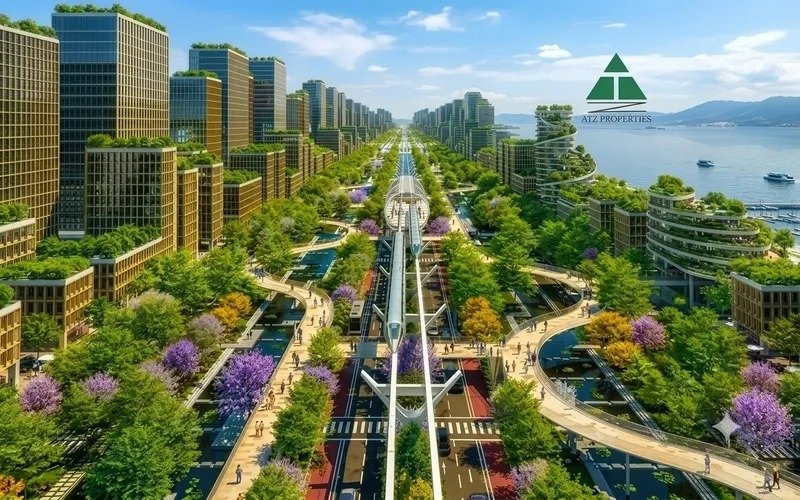
Predicting the future of any real estate market is an exercise in informed humility. Too many variables, economic cycles, policy shifts, global technology trends, infrastructure delivery timelines, refuse to behave on schedule. But Bengaluru is an unusual city in one important respect: Bangalore Real Estate 2030 When we talk about India’s growth story, Bangalore often comes up as the city that defines innovation, technology, and progress. Over the last two decades, the city has transformed from being the “Garden City” to the “Silicon Valley of India,” becoming home to IT giants, global startups, and world-class infrastructure projects, residential, commercial, and mixed-use developments.
As we move closer to 2030, Bangalore's real estate landscape is expected to transform even further through improved infrastructure, technology-driven communities, sustainable developments, and expanding employment hubs.
Why Bangalore Continues to Lead India's Real Estate Market
Several factors continue to make Bangalore one of the strongest property markets in India:
Thriving IT and technology sector
Continuous job creation
Presence of multinational companies
High demand for residential housing
Infrastructure Will Drive Property Appreciation
One of the biggest catalysts for Bangalore's future real estate growth will be infrastructure development.
Major projects include:
Expansion of the Metro network
Bengaluru Suburban Rail Project
Improved airport connectivity
New flyovers and signal-free corridors
These developments will reduce travel time, improve connectivity, and significantly increase property values in emerging locations.
Rise of Smart Townships
Integrated townships are becoming increasingly popular among homebuyers.
By 2030, more residential communities are expected to include:
Smart security systems
Solar-powered common areas
Rainwater harvesting
Dedicated work-from-home spaces
Clubhouses and wellness centres
Modern buyers are no longer looking for just an apartment—they want a complete lifestyle.
Environmental awareness is influencing purchasing decisions.
Future residential projects are expected to focus on:
Green buildings
Energy-efficient designs
Waste management systems
Solar energy
Eco-friendly construction materials
Sustainable developments not only reduce environmental impact but also lower long-term maintenance costs.
Bangalore attracts thousands of professionals every month.
Factors supporting rental growth include:
IT professionals
Startup employees
Students
Healthcare workers
Business travellers
Several developing locations are expected to witness significant appreciation by 2030.
Some promising investment corridors include:
Whitefield Devanahalli
Sarjapur Road Yelahanka
Marathahalli Electronic City
Varthur Kanakapura Road
Gunjur North Bangalore growth corridor
Hennur Road Hebbal
Thanisandra KR Puram
These locations are benefiting from improved connectivity, employment opportunities, and ongoing infrastructure projects.
While luxury housing grows, affordable and mid-segment housing will continue to dominate sales.
Developers are likely to introduce:
Flexible payment plans
Better financing options
Compact, efficient home designs
Lifestyle amenities at affordable prices
Despite hybrid working models, Bangalore remains India's leading office market.
Demand will continue from:
Global Capability Centres (GCCs)
AI and technology firms
Biotechnology companies
Fintech startups
Although no market moves in a perfectly straight line, experts generally expect Bangalore property prices to appreciate steadily over the coming years due to:
Limited land availability in prime areas
Increasing population
Growing employment opportunities
Infrastructure expansion
Strong housing demand
If you're planning to purchase property in Bangalore, consider the following:
Research upcoming infrastructure projects.
Verify legal approvals and documentation.
Check future connectivity plans.
Compare amenities and maintenance costs.
Consider long-term appreciation rather than short-term gains.
A well-researched purchase today could become a valuable asset over the next decade.
Bangalore's real estate market is expected to remain one of India's most resilient and attractive property destinations through 2030. With expanding infrastructure, a thriving technology ecosystem, smart urban planning, and sustained demand for quality housing, the city offers opportunities for both homebuyers and investors.
Whether you're looking for your dream home or seeking long-term investment potential, buying property in Bangalore today could position you to benefit from the city's continued growth in the years ahead.
Yes. Strong employment growth, expanding infrastructure, and consistent housing demand make Bangalore one of India's most attractive long-term real estate markets.
Growth is expected in areas with improving infrastructure and employment access, including Whitefield, North Bangalore, Sarjapur Road, Marathahalli, Hennur Road, Thanisandra, Devanahalli, and Electronic City.
While future prices cannot be guaranteed, many market observers expect continued appreciation driven by infrastructure development, economic growth, and sustained housing demand.
For individuals planning to stay in Bangalore for the long term, purchasing a home can provide stability and potential capital appreciation. The right choice depends on personal finances, lifestyle, and long-term goals.
Modern developments are expected to include smart home technology, green building features, EV charging infrastructure, enhanced security, community amenities, and sustainable design.